B-Sides Podcast
The first episode of the B-Sides Podcast features the CEO of OMNI PRO PRODUCTIONS, AL-Tee Williams. He is an engineer/producer/musician from Atlanta with over 30 years of experience in the game. He takes us on a journey through his career as well as offers advice.
Interview “Al – Tee” Williams – On the Phone with David Serero – The Culture News
Interview "Al - -Tee" Williams from the OPP Group, Inc - On the Phone with David Serero - The Culture News.
Atlanta is a busy town for live music, and Alfred “AL-Tee” Williams is one of Atlanta’s busiest live sound mixers. The veteran engineer has run the mix for a wide range of artists including Kool and the Gang, The SOS Band, Rachelle Farrell, Angie Stone, and Bobby Brown.
An exclusive interview with multi-talented Al-Tee Williams
Alfred “Al-Tee” Williams started mixing and producing music as well as videos as a teenager in his friend’s basement. He has since become one of the world’s sought-after engineers. Williams has three decades of experience and massive knowledge in the realm of production and has worked on television shows such as Jay Leno and Ellen DeGeneres and has toured with groups such as Kool and the Gang, Ludacris, Kelly Rowland, Teddy Riley, Blackstreet, and GUY just to name a few. His company, “The OPP Group, Inc”, an Audio Video Systems Integration provider, is the first minority company to obtain a BOSE Professional distribution deal.
Twist Online: First, tell us about the start of your professional career.
Al-Tee Williams: The start of my professional career was in 1984. I was in a Gospel group called The Word. We toured and recorded around the country.
Twist Online: Who or what inspired you to get into the music industry?
Al-Tee Williams: When I was young, there were many musical influences around me. However, the artist that inspired me the most is James Brown.
Twist Online: What stimulates you more, engineering live performances or working in studios? And Why?
Al-Tee Williams: Engineering live performance
When you are engineering live performances, it challenges you. It not only requires you to use your skill set and knowledge to create the best sound, but you also have to tailor that sound to fit the environment, such as areas, theaters, arenas, clubs, or outdoor venues.
Twist Online: You have toured with a number of artists; what kind of experience has it been?
Al-Tee Williams: Each artist and tour creates a different experience. Artists have different personalities, so it is important to maintain a positive attitude and create a great rapport.
Twist Online: What advice would you give to audio/sound engineers trying to be successful in this business?
Al-Tee Williams: Artists can be very temperamental, so it is imperative to learn your artist's personality so you can develop a good working relationship.
Twist Online: Do you have any plans on expanding into other areas in the music industry?
Al-Tee Williams: Absolutely, for more than 30 years, I’ve been able to thrive in the music industry. I have had a few happenstances, but I was able to overcome them and learn from them. One thing I would like to do is educate younger engineers on being financially stable and gainfully employed in the entertainment industry. You have to be financially prepared in this field like any other occupation. You need to pay taxes, contribute to social security and unemployment insurance, and even invest in a retirement plan.
Twist Online: What are some mistakes that you have made that encouraged you to better your craft?
Al-Tee Williams: As in any career, you learn as you go, but not knowing the artist and not stabilizing my finances were some painful mistakes I made in my career.
Twist Online: If you were asked who the real artist is, the sound engineer or the artist, what would your response be?
Al-Tee Williams: This is a good Twist Online; I would say both, but definitely both, one cannot do it without the other.
Noted Live Sound Engineer Alfred “AL-Tee” Williams Touring With Yamaha PM5D Digital Consoles
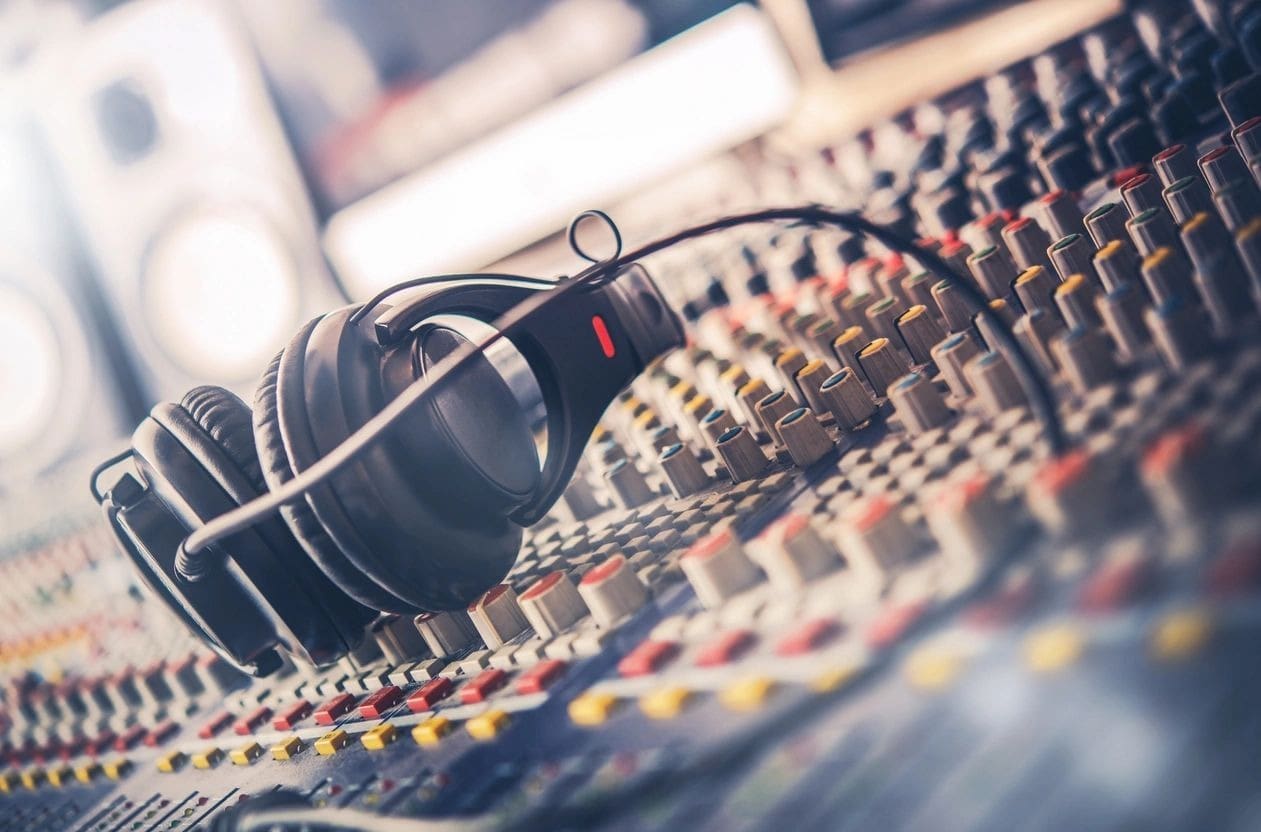
Alfred “AL-Tee” Williams has worked as a front-of-house and monitor engineer with artists such as Kool and the Gang, The SOS Band, Tank, Rachelle Farrell, Angie Stone, Fantasia, and currently with R&B artist Jay Sean. His choice in mixing boards, then and now, is the YamahaPM5D. Williams said the console’s dynamic performance helps the artist keep the rhythm pumping on the stage.
“In today’s world, digital consoles are the ‘what, how and now’ and are used at every venue around the world, states Williams. “The Yamaha PM5D is the board that I can count on seeing no matter where I travel. It’s one of the user-friendliest digital consoles to work with, especially for engineers who are more familiar with analog mixing boards and for the digitally inclined. Some of my ‘seasoned’ engineer friends also agree how easy the 5D is to use right out of the box.”
“I have had some terrific experiences working with the Yamaha PM5D,” the engineer adds. “The night before mixing Kool and the Gang on a morning telecast of the ‘Rachael Ray Show,’ it rained on my console. Now, what was I supposed to do? Fortunately, the show had an extra Yamaha PM5D console in the production truck, so we powered it up within minutes of airtime, loaded my Yamaha file, and the performance went on. It was one of my most magical moments!”
Williams also said he likes seeing all the console’s 24-aux sends without going to another page. “This feature is great, especially when it’s your first time working with an artist, and there isn’t a sound check. In a live application, you only have seconds to pull up a mix. With the Yamaha PM5D, it’s just as fast as you are, with no delays.”

Alfred “Al-Tee” Williams, FOH Engineer, Ludacris, on working with RoomMatch® loudspeakers
RoomMatch® loudspeakers were installed in venues where well-known live music acts performed. When the FOH engineers arrived at the venue, they were faced with mixing on the system for the first time.
Who’s the artist? (An interview with Atlanta sound engineer “AL-Tee” Williams)
For more than two decades, Atlanta, Georgia, has been a music Mecca. With all the hit records and superstars the city has cranked out, Atlanta is known for having some of the best sound engineers in the world. I sat down with engineer Alfred “AL-Tee” Williams to have a quick word about his experience in the industry and to find out about some of the tools of his trade. His perspective was quite interesting…
AG: I know you’ve been a sound engineer at Apache Cafe for several years and have also worked with quite a few famous folks. Feel like dropping any names?
AL-Tee: I’ve worked with artists such as Kool and the Gang, The SOS Band, Tank, Rachelle Farrell, Angie Stone, Fantasia, PJ Morton, Bobby Brown, and currently with R&B artist Jay Sean. I’ve also been featured in publications such as Mix Magazine, Yamaha, FOH, and Sound on Sound, just to name a few.
AG: That’s pretty impressive. How hard is it to mix an entire show like that?
AL-Tee: Few people understand all that’s involved in mixing a show. For years, engineers have not received the respect they deserve. We all have been to shows where the sound is not on point, and one of the band members attempts to adjust the sound, but just ends up making matters much worse. Within a few minutes, you just want to walk out.
AG: Ah yes, I’ve actually seen that happen.
AL-Tee: So, the question is, who is the real artist? The sound engineer or the artist?
AG: That’s a pretty lofty question, isn’t it?
AL-Tee: We all know that an engineer can make a band or break a band with his or her mix. I understand everyone has a job. But now artists and musicians are starting to realize that it’s important to have a “seasoned” engineer mixing their show in order to keep getting great gigs.
AG: This is true. So, how do you think changes in the industry have affected the sound engineer’s role?
AL-Tee: In the late 70s through mid-2000s, artists made their career in the music biz by performing while the record companies made their money on record sales, with very little going to the artist. But now, many of them are getting 360 deals, with everyone making money on their performances. A great sound engineer with top-of-the-line equipment is crucial to everyone’s success.
AG: So, what’s “top-of-the-line equipment” these days?
AL-Tee: The Presonus mixing console is an artist and engineer’s best friend if you want to have great sound quality. As an engineer, you have to stay on top of the fast-paced tech world. I like mixing shows with an iPad using the Presonus software.
AG: An iPad? You’re kidding.
AL-Tee: For years, I created the “Al Teezee Sound” using older technology. But now I’ve got a new toy, the Presonus 16.4.2 and 24.4.2. WOW!
AG: Now you’re sounding like a commercial. What makes this thing so great?
AL-Tee: With the PreSonus mixing console, it’s easy to accomplish that “fat arena” sound with a small mixer, which makes it a breeze—especially for younger or less experienced engineers. It gives the kind of clean sound you’d expect with a 20-year vet mixing for them.
(I asked AL for a quick demo of the machine. It looks pretty compact compared to other boards I’ve seen. But it’s the remote iPad mixing that has astounded me. My, how times have changed!
And as is evidenced by the crisp sound coming from the band’s instruments, this engineer knows what he’s talking about: staying on top of today’s technology assures customers that they’ll hear the high quality their hard-earned money has paid for.)
Ready to Get Started?